

Research and development of LithoLexal® JOINT-FLEX PRO are focused on understanding and targeting inflammatory pathways and improving cartilage repair and remodelling processes.
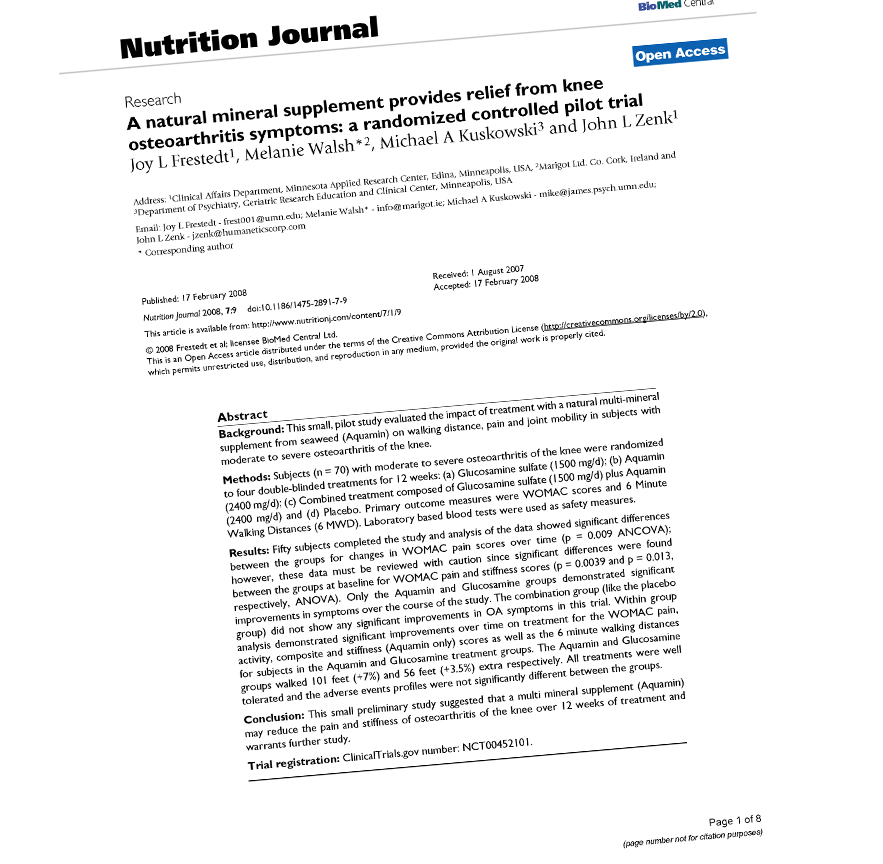
The efficacy of LithoLexal® JOINT-FLEX PRO has been documented in scientific studies and clinical papers that have been featured in leading peer-review journals, including the selected published studies below:
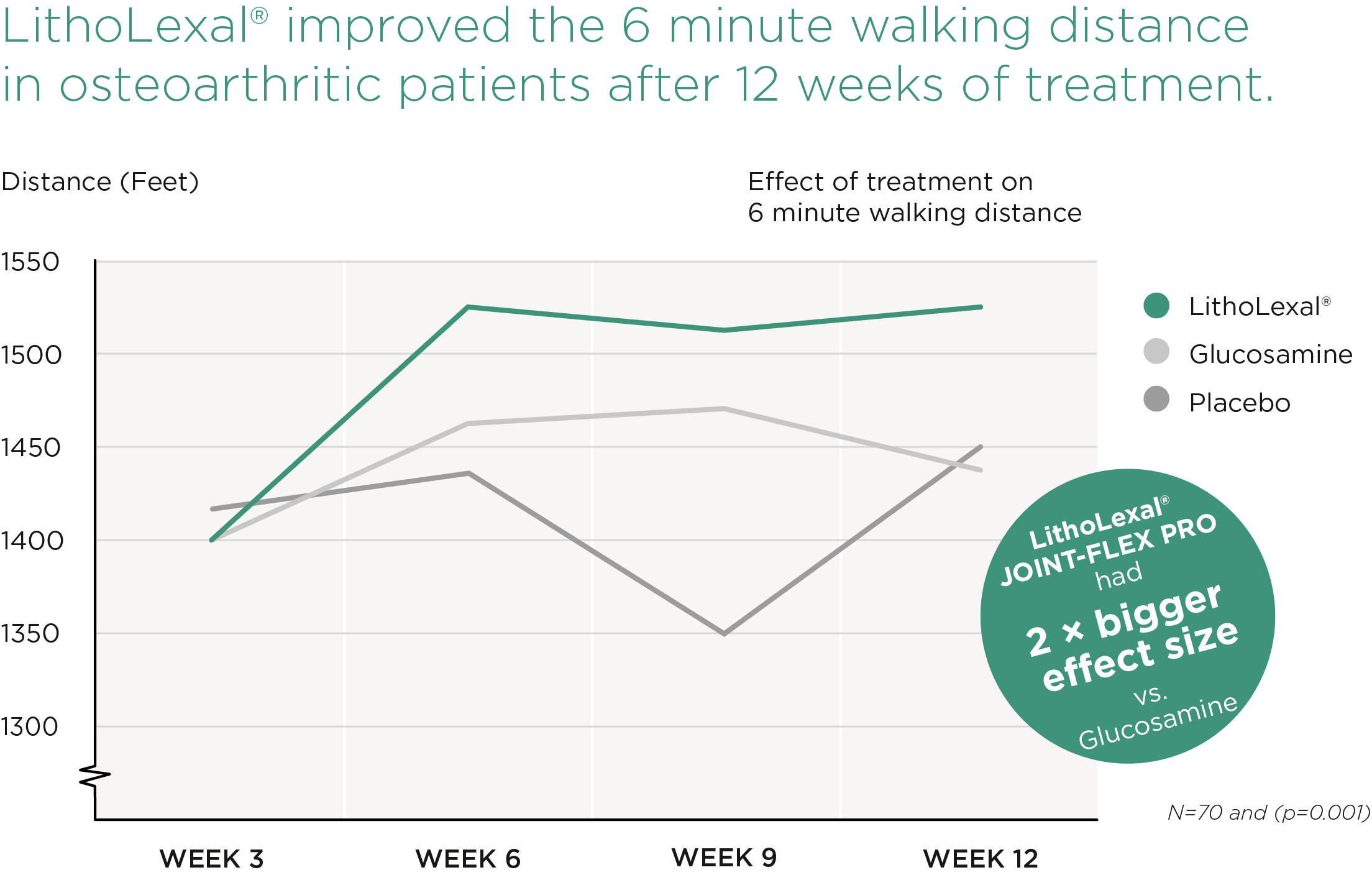
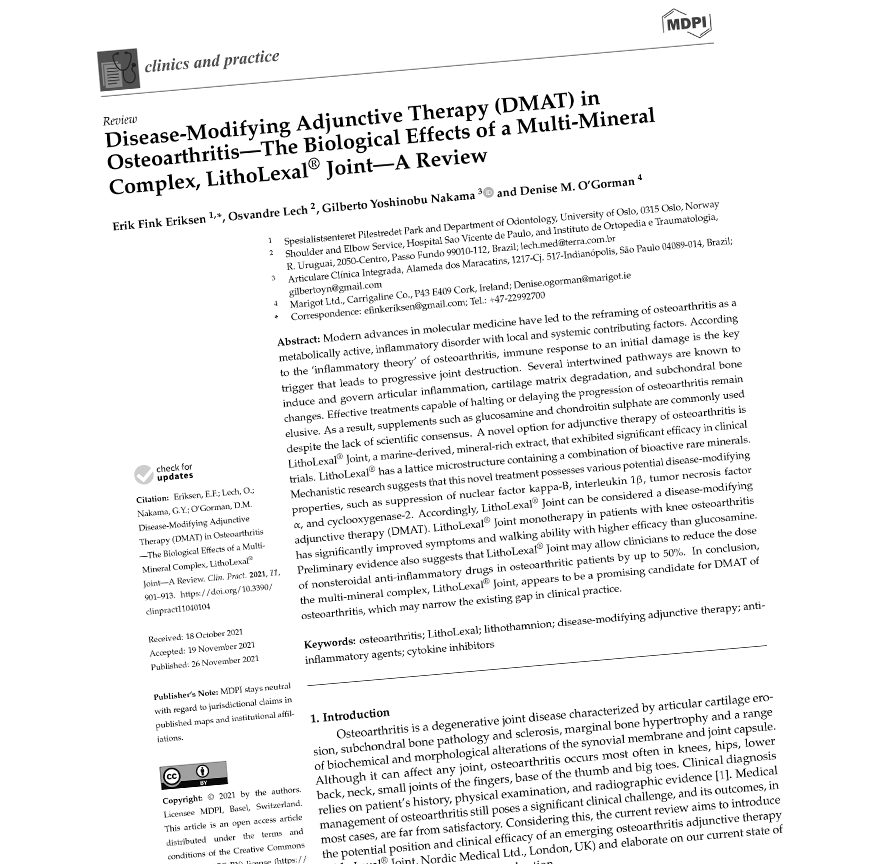
 Conclusion: This specific bioactive complex (LithoLexal®) has exhibited multi-dimensional, inflammation-suppressing activities on macrophage cell lines, which appears to be translated into clinical efficacy as shown by a number of clinical trials. Improvements in all subscales of WOMAC index and a significant increase in the ability of patients to walk after a relatively short treatment period with LithoLexal® Joint are indicative of potent clinical efficacy and can be administered as a mono- or adjunctive therapy to conventional osteoarthritis medications depending on the needs of each individual. Importantly, there is evidence to support that coadministration of LithoLexal® Joint with NSAIDs can reduce the overall need for analgesia by 50% and hence mitigate their burden of side effects. Diverse disease-modifying properties of LithoLexal® modulates articular inflammation and prevents t its self-aggravation and perpetuation. LithoLexal® Joint is a promising option for adjunctive therapy of patients with mild to severe osteoarthritis with putative multi-dimensional, disease-modifying effects, shown to improve patients’ symptoms and mobility and reduce the need for analgesics.
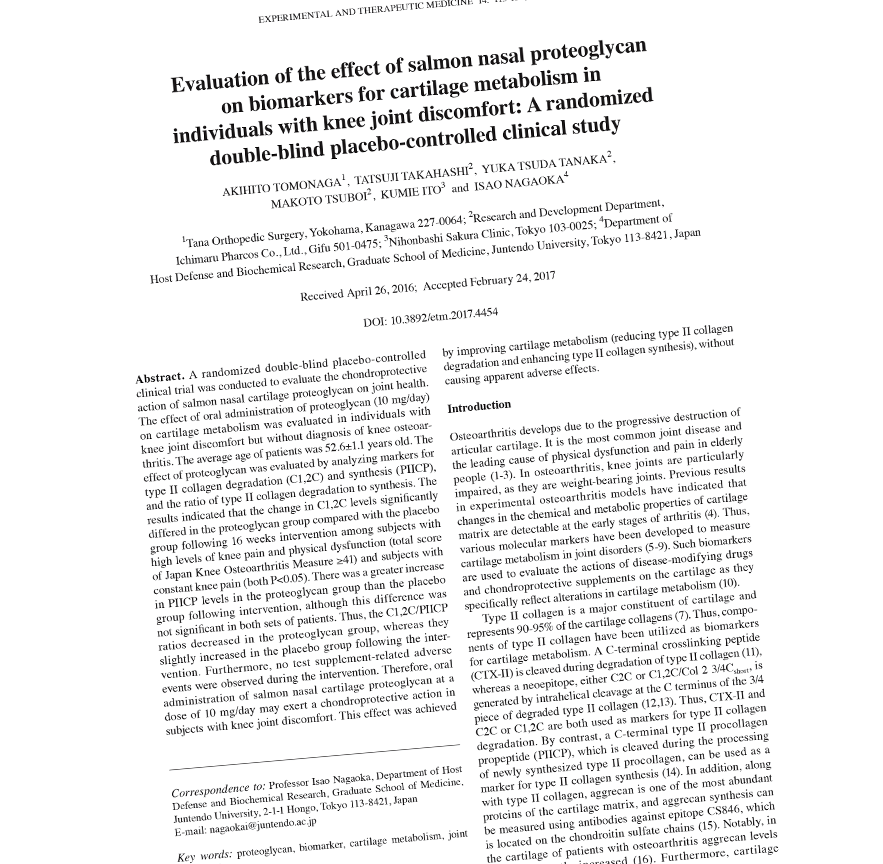
 Conclusion: The clinical efficacy of oral administration of proteoglycans has been evaluated in this randomised, placebo‑controlled trial. Four months treatment with a mixture of fish proteoglycans significantly diminished the markers of type II collagen degradation and caused a marked decline in cartilage turnover while augmenting aggrecan synthesis in patients with either severe knee pain or constant knee discomfort. This trial provides evidence that treatment with marine-derived proteoglycans can inhibit the breakdown of irreplaceable cartilage elements and encourage reparative processes, e.g. de novo aggrecan synthesis in damaged joints. The efficacy of PRT appears to be greatest in patients with more prominent and prolonged symptoms. Of note is that long-term oral proteoglycans supplementation was recognised as safe and well-tolerated by human subjects with no intervention-related side effects being reported.
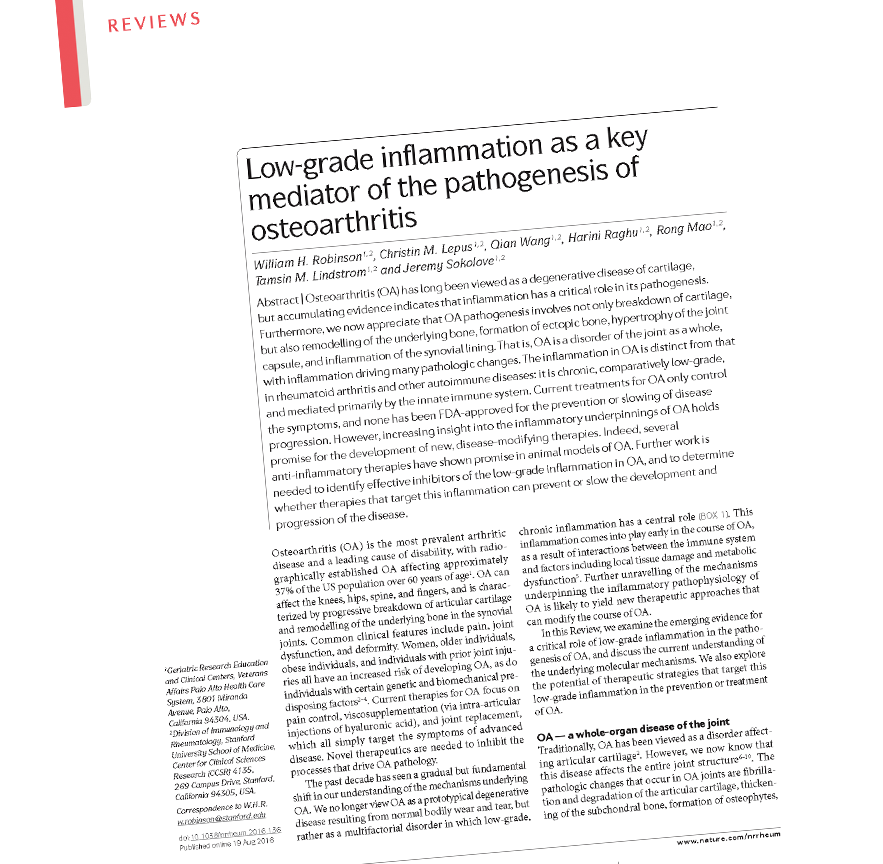
Conclusion: This detailed review elaborates on the scientific basis for the recent paradigm shift from viewing osteoarthritis as a simple ‘Wear and Tear’ cartilage degeneration to considering it as an inflammatory disease that involves the whole joint. Contrary to the obsolete common perspective, both local and systemic inflammation have been observed in osteoarthritic patients. In fact, such clinical features as night pain, morning stiffness and joint effusions are attributable to a pervasive presence of synovitis in affected individuals.
Evidence shows that proinflammatory cytokines, specifically TNF-α and IL-1β, are the main mediators that connect physicochemical insults to escalated protease secretion by chondrocytes and eventually cartilage degradation as part of a vicious cycle.
Proinflammatory cytokines act via two principal inflammatory pathways: NF-κB and COX-2 signalling pathways. NF-κB is a rapid-acting primary transcription factor that has a central role in cellular response to harmful stimuli. When activated, NF-κB maximises the expression of an array of proinflammatory mediators. COX-2 is also highly upregulated in inflamed joint tissues and is responsible for the multiplied production of proinflammatory prostaglandins in osteoarthritic joints. Prostaglandins are likely to contribute to the pathogenesis of osteoarthritis by promoting inflammation, apoptosis and upregulating the expression of TNF-α and IL-1β.
Unlike rheumatoid arthritis, inflammatory cytokines act together in a parallel manner in osteoarthritis so that single cytokine inhibition cannot produce reliable therapeutic properties. In light of this, a new class of ‘multidimensional’ therapies (Disease-Modifying drugs) are urgently needed to efficiently inhibit the progression of osteoarthritis and prevent permanent cartilage damage.
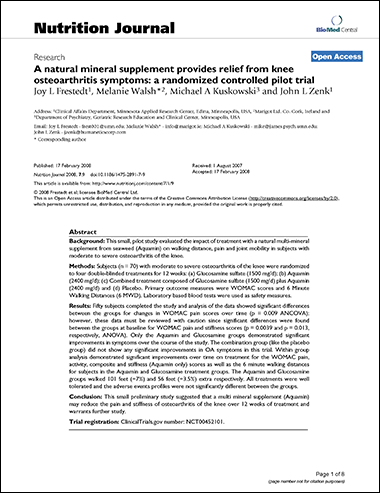
Conclusion: This controlled, randomised clinical trial has been conducted to compare the efficacy of LithoLexal® with glucosamine in improving the symptoms and functionality of patients with knee osteoarthritis. It can be concluded from the results that LithoLexal® was superior in controlling articular pain and improving WOMAC activity scores as well as the walking ability of osteoarthritic patients compared to glucosamine.

© LithoLexal® JOINT-FLEX PRO. ALL RIGHTS RESERVED. LithoLexal® is a brand from Nordic Medical.
Read the LithoLexal.com/joint-flex-pro Terms & Conditions and Privacy Policy.